This post may contain affiliate links. Please read our disclosure policy.
These brown butter mashed potatoes are the ones I make when the mashed potatoes need to be the thing people talk about. Yukon Golds pressed through a ricer so they come out fluffy rather than gluey, folded with rosemary brown butter and a whole two heads of roasted garlic warmed into the cream.
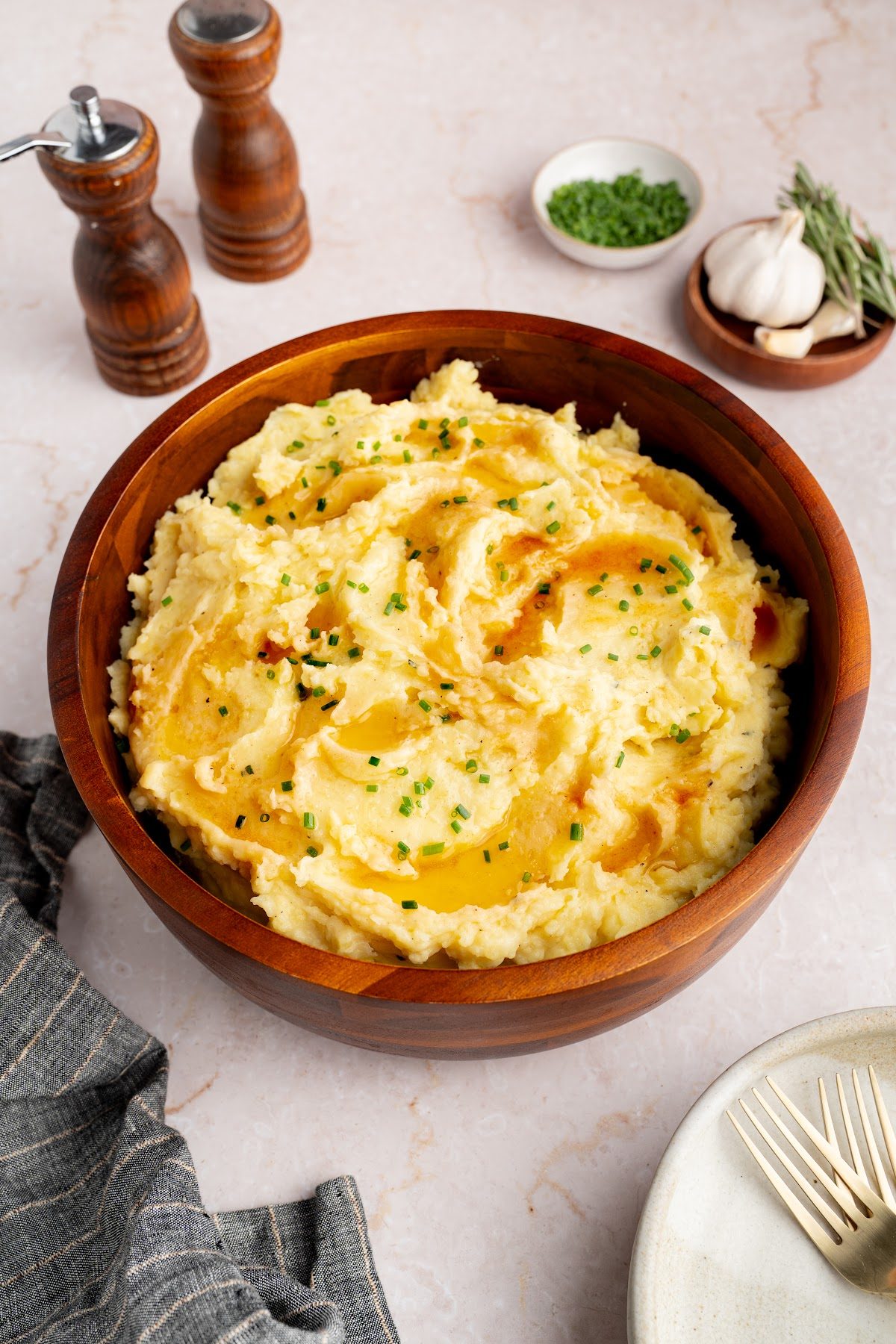
Most mashed potatoes stop at melted butter. Because this version browns the butter first with rosemary sprigs sitting right in it, you get a nutty, almost caramel background that plain butter cannot give you, and the rosemary infuses the whole thing while it cooks.
The roasted garlic is the other half. Two heads go in the oven until the cloves are soft and sweet, then they get mashed straight into the warm cream so there are no raw garlic bites anywhere in the bowl.
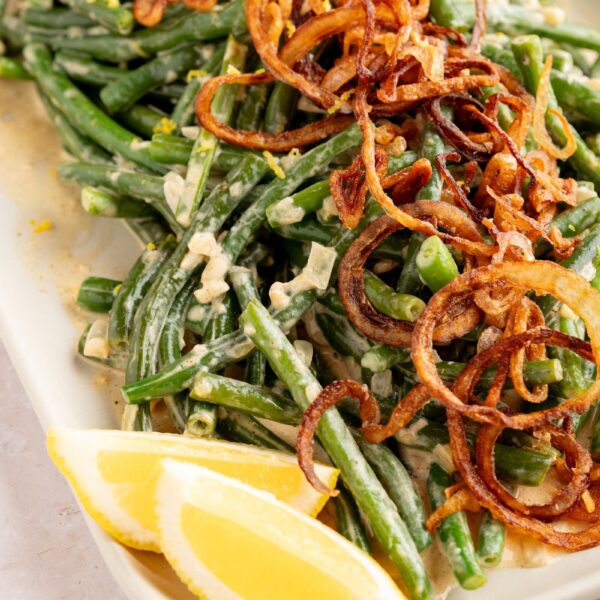
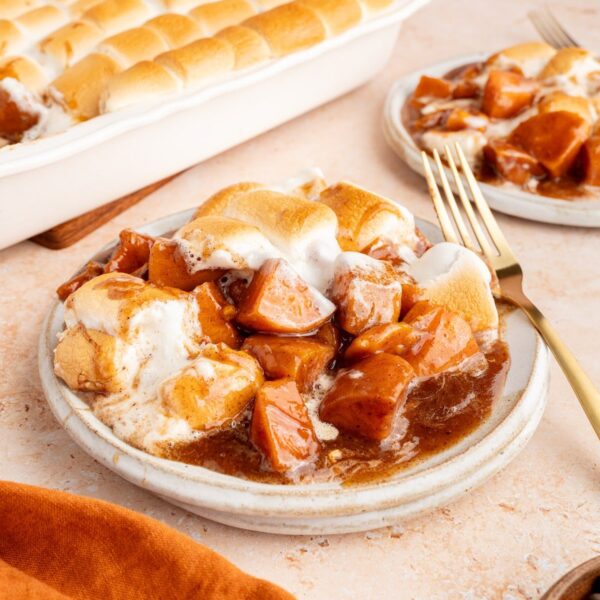
If you are putting a holiday table together, make these next to my Candied Yams with Marshmallows, my Cornbread Dressing and my Creamed Green Beans with Crispy Shallots.
Looking for the garlic version instead? My Creamy Garlic Mashed Potatoes are a different dish entirely — heavy cream, lots of garlic, no browned butter. Both earn their place, so pick by what else is on the table.
Table of Contents
- Why a Ricer Makes the Fluffiest Brown Butter Mashed Potatoes
- Why Everyone Loves These Brown Butter Mashed Potatoes
- Ingredients You’ll Need
- How to Make Brown Butter Mashed Potatoes
- My Best Brown Butter Mashed Potatoes Tips
- What to Serve With Mashed Potatoes
- Brown Butter Mashed Potatoes: Storage and Make Ahead
- Mashed Potato FAQs
- More Holiday Sides
- Brown Butter Mashed Potatoes Recipe
Why a Ricer Makes the Fluffiest Brown Butter Mashed Potatoes
A ricer pushes the hot potato through small holes in one pass, so the starch cells stay whole and the texture comes out light. A masher works too, although it takes more effort and the result is denser.
What you must never use is a blender or a food processor. Those blades tear the starch cells open, the starch releases, and within seconds you have potato glue. There is no fixing it once it happens, so it is worth owning the right tool for one dish a year.
Why Everyone Loves These Brown Butter Mashed Potatoes
This is the side that disappears before the turkey does.
- Brown butter, not melted butter. Five extra minutes at the stove, and it is the entire reason these taste different from every other bowl of mashed potatoes on the table.
- Two heads of roasted garlic. Roasting turns garlic sweet and mellow, so it reads as depth rather than as garlic.
- Riced, not whipped. Fluffy and light instead of heavy and sticky.
- Warm dairy only. Cold cream hitting hot potatoes seizes them up and cools the bowl before it reaches the table.
- It feeds twelve. Five pounds of potatoes covers a holiday crowd with enough left for the next day.
Ingredients You’ll Need
Everything here is at a regular grocery store, so there is no specialty shopping to do first.
NOTE: The full list of ingredients with measurements is provided in the recipe card below.
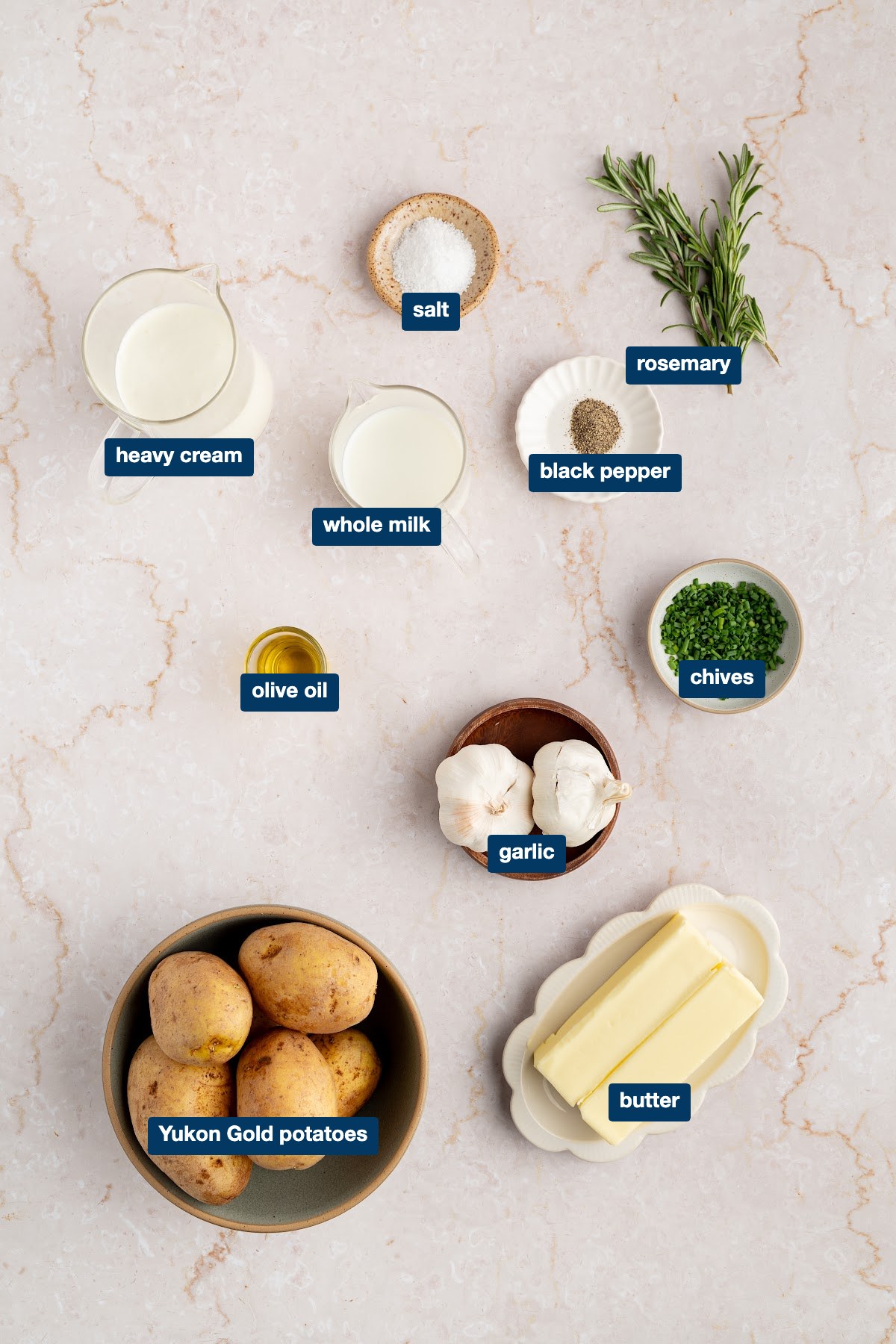
The potatoes
- Yukon Gold potatoes: Five pounds, peeled and cut into even inch-and-a-half pieces. Yukons are naturally buttery and waxy enough to hold together. Russets work, although they drink more cream and go gluey faster.
- Salt for the water: Season the cooking water generously. It is the only chance the potato itself gets to take on salt from the inside.
Brown butter and garlic
- Butter: Two full sticks, browned with the rosemary in it. Use a light-colored pan so you can actually see when the milk solids turn golden.
- Fresh rosemary: Three sprigs go into the butter as it browns, plus a teaspoon chopped very fine that gets folded in at the end.
- Garlic: Two whole heads, roasted. That sounds like a lot until you taste it, because roasting takes all the sharpness out.
- Olive oil: A teaspoon, just to drizzle over the garlic before it goes into the foil.
Dairy and finishing
- Heavy cream and whole milk: Warmed together with the roasted garlic. Start with about a cup of the mixture and add more until the texture is right, since potatoes vary.
- Salt and black pepper: Season at the end, taste, and season again.
- Chives: Optional, chopped, over the top. They cut through all that butter.
How to Make Brown Butter Mashed Potatoes
First, get the garlic into the oven, because it takes the longest and everything else happens while it roasts.
Roast the garlic and brown the butter
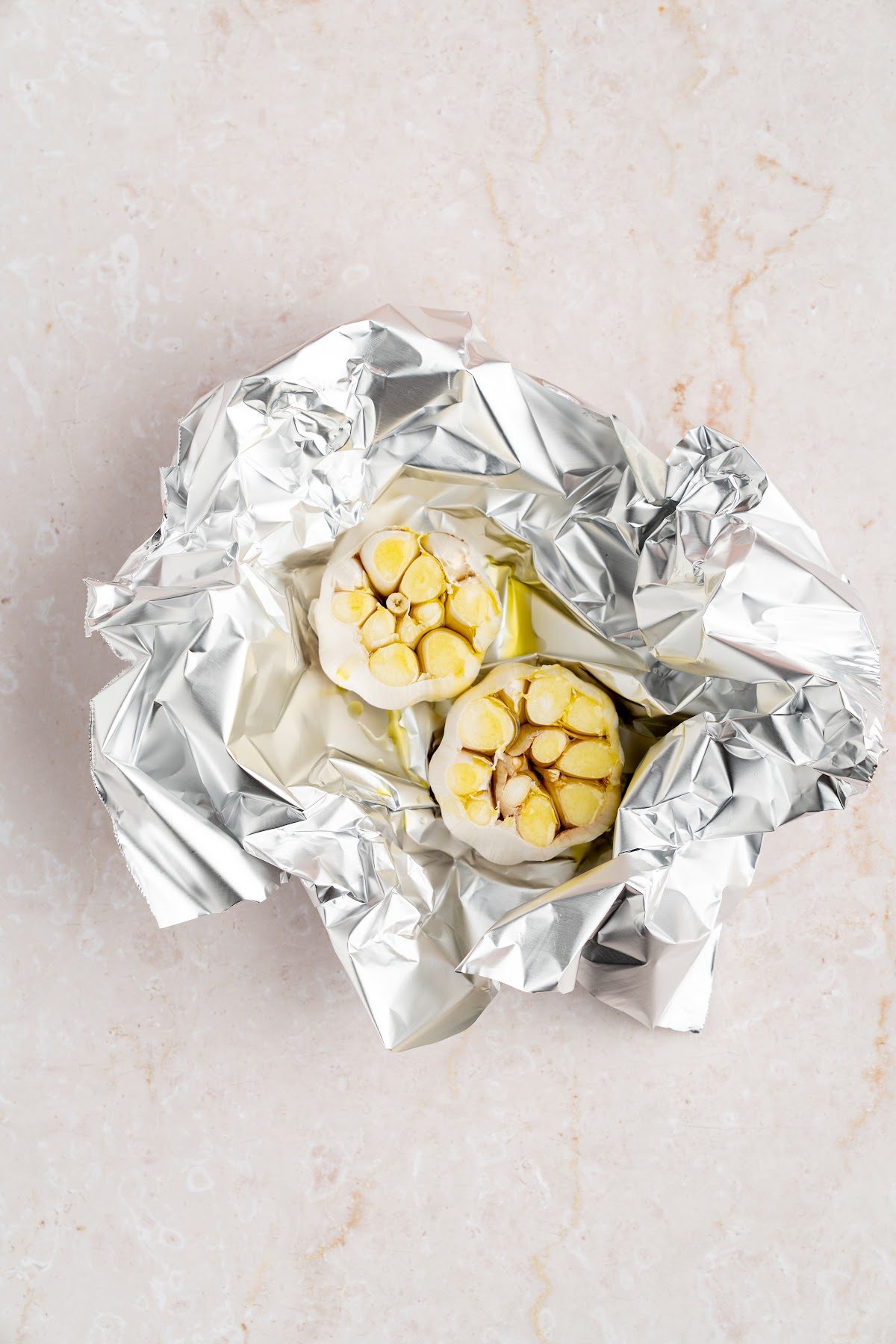
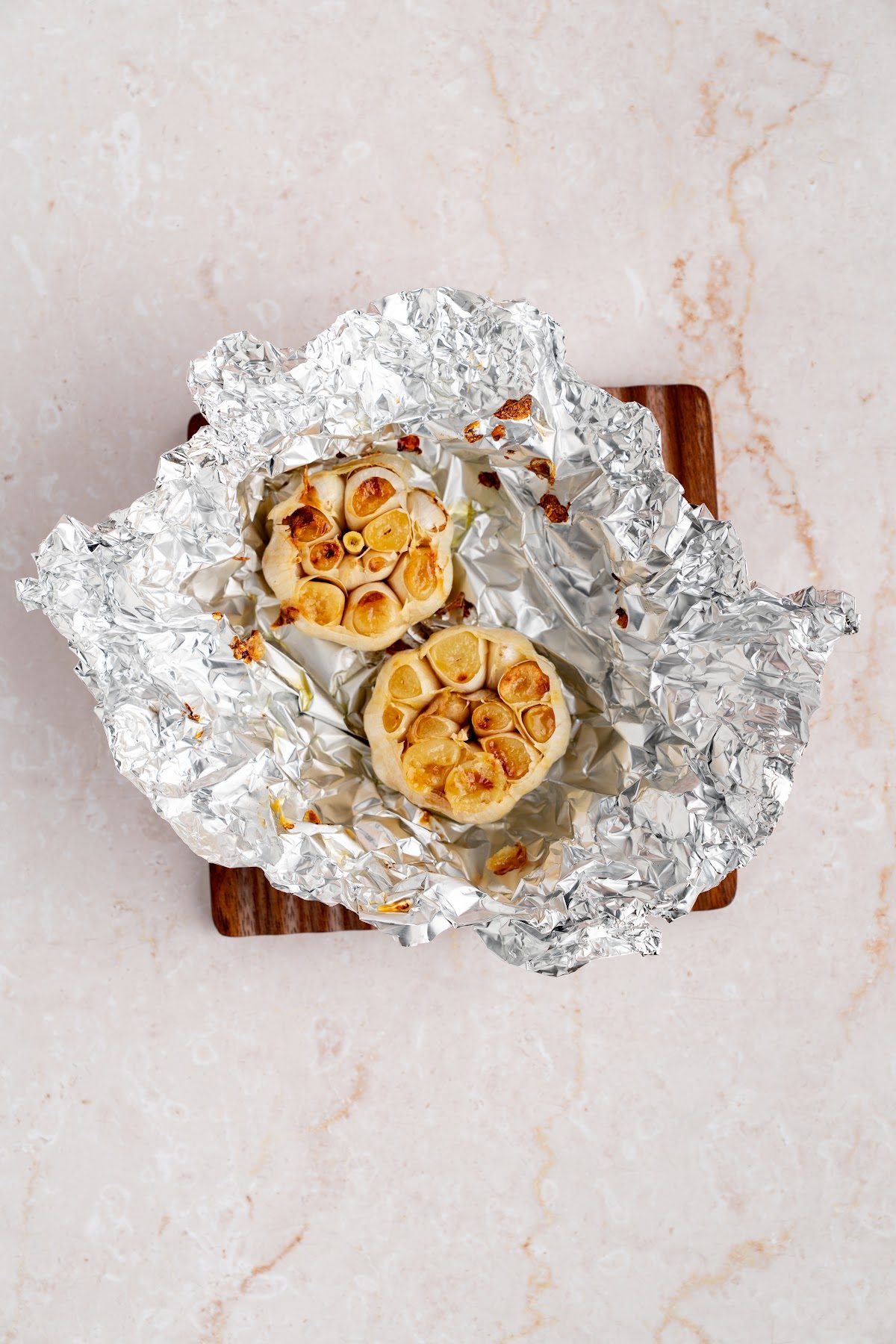
- Roast the garlic: Heat the oven to 400°F. Slice the top quarter inch off each head, drizzle with the olive oil, wrap in foil and roast 40 to 45 minutes, until soft and golden. Cool slightly, then squeeze out the cloves.
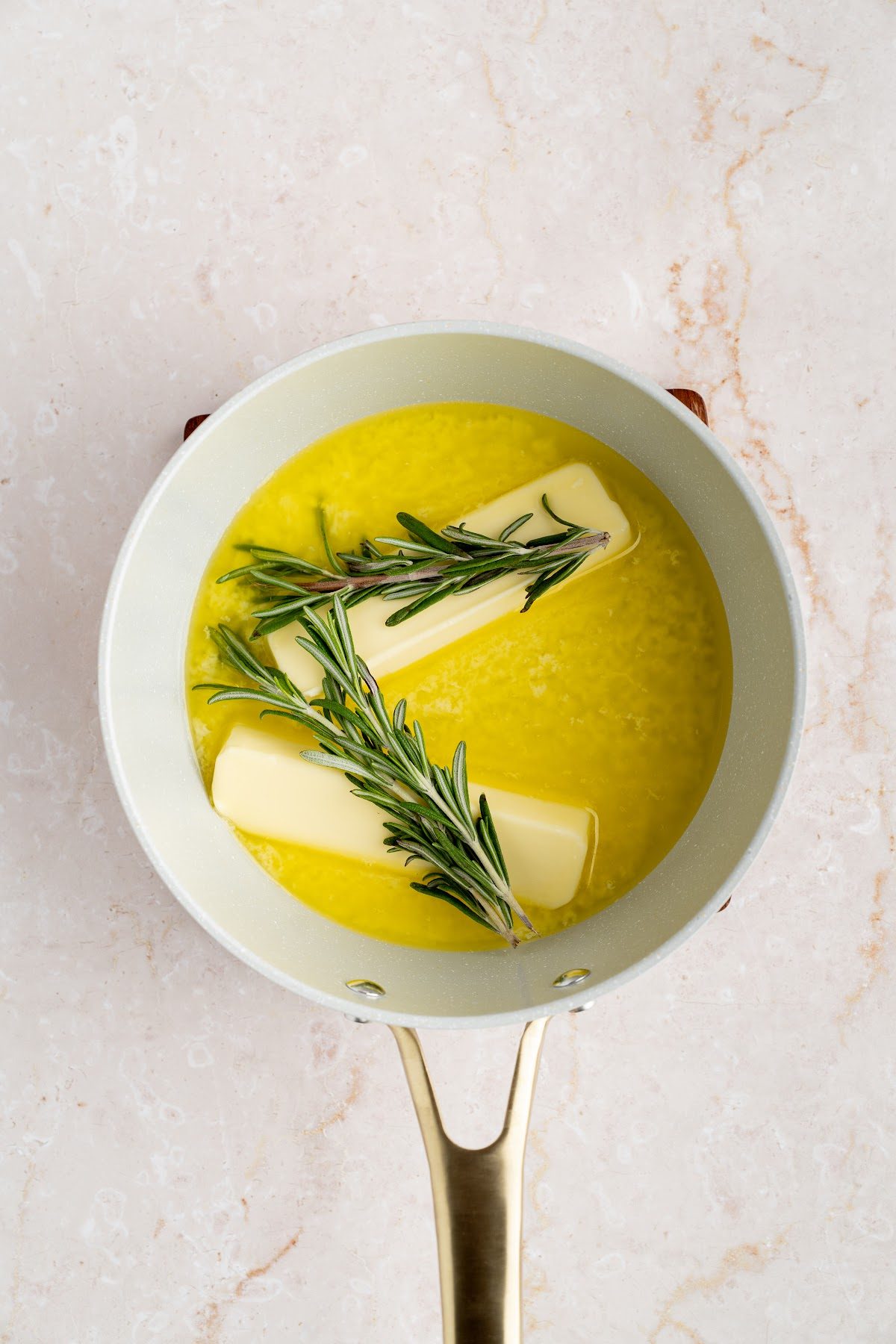
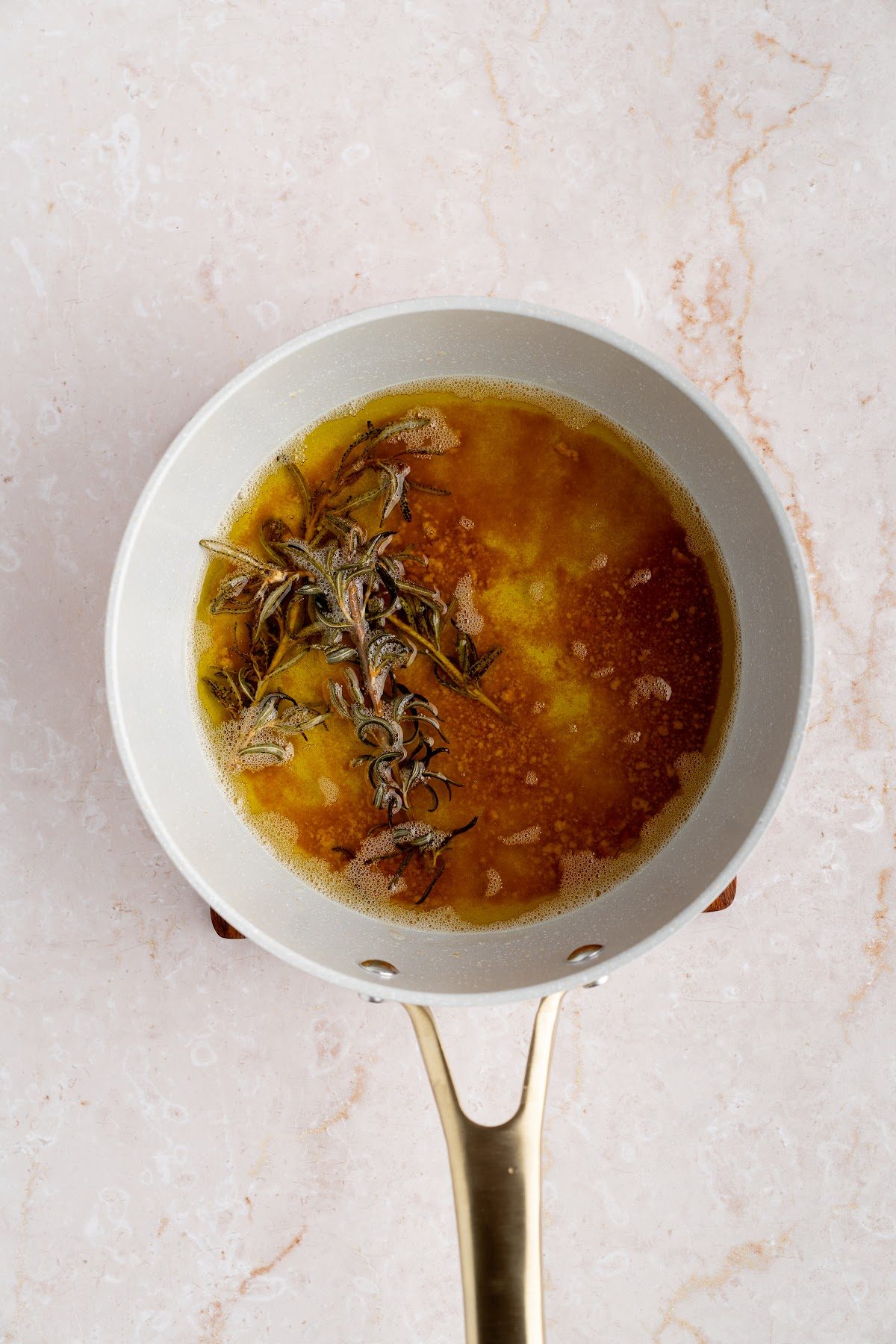
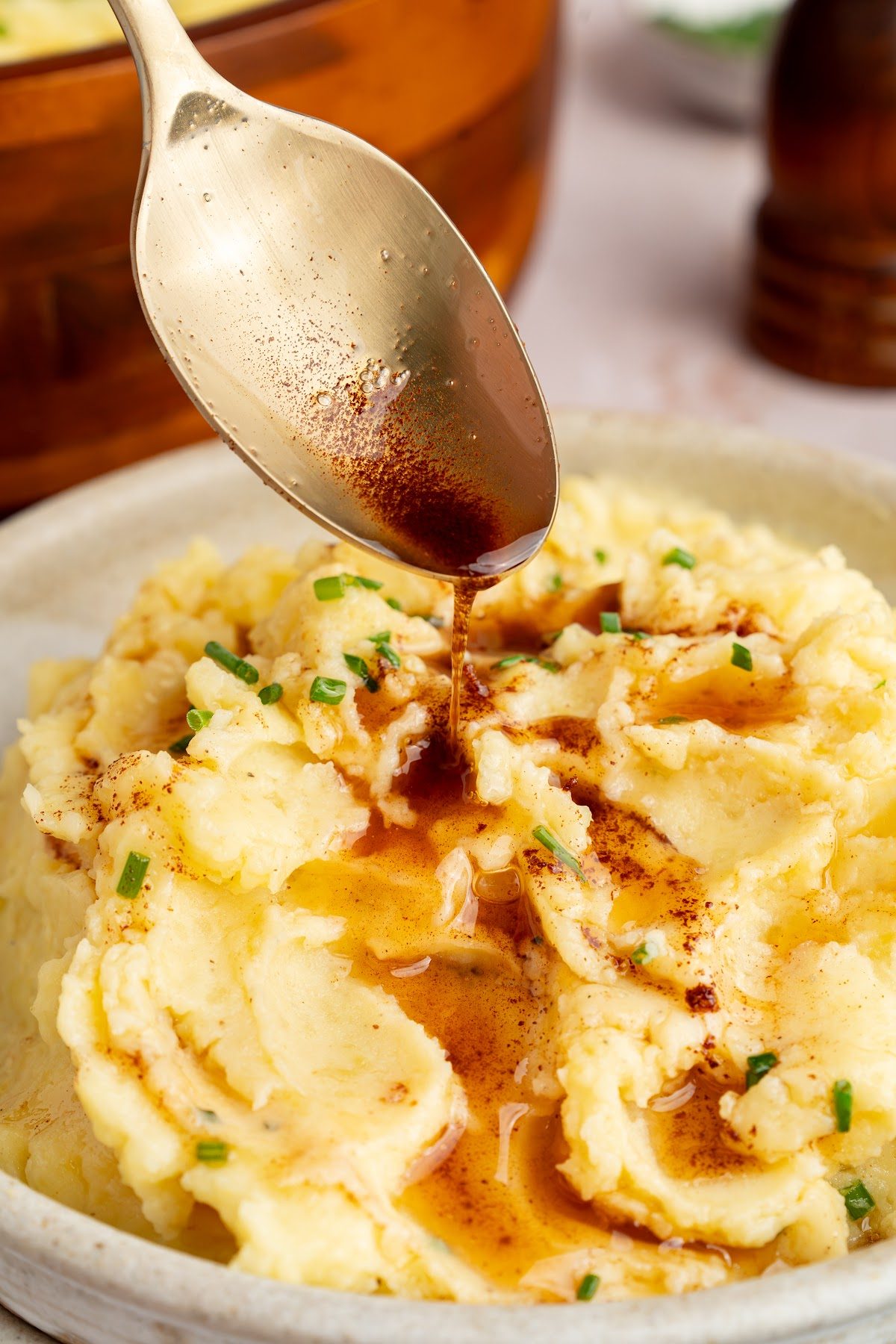
- Make the rosemary brown butter: Melt the butter with the rosemary sprigs in a light-colored saucepan over medium heat, swirling as it foams. Cook 5 to 8 minutes, until the milk solids are golden and it smells nutty. Pour it into a heatproof bowl, scraping in the browned bits, then discard the sprigs and reserve 2 tablespoons for the top.
Cook, dry and rice
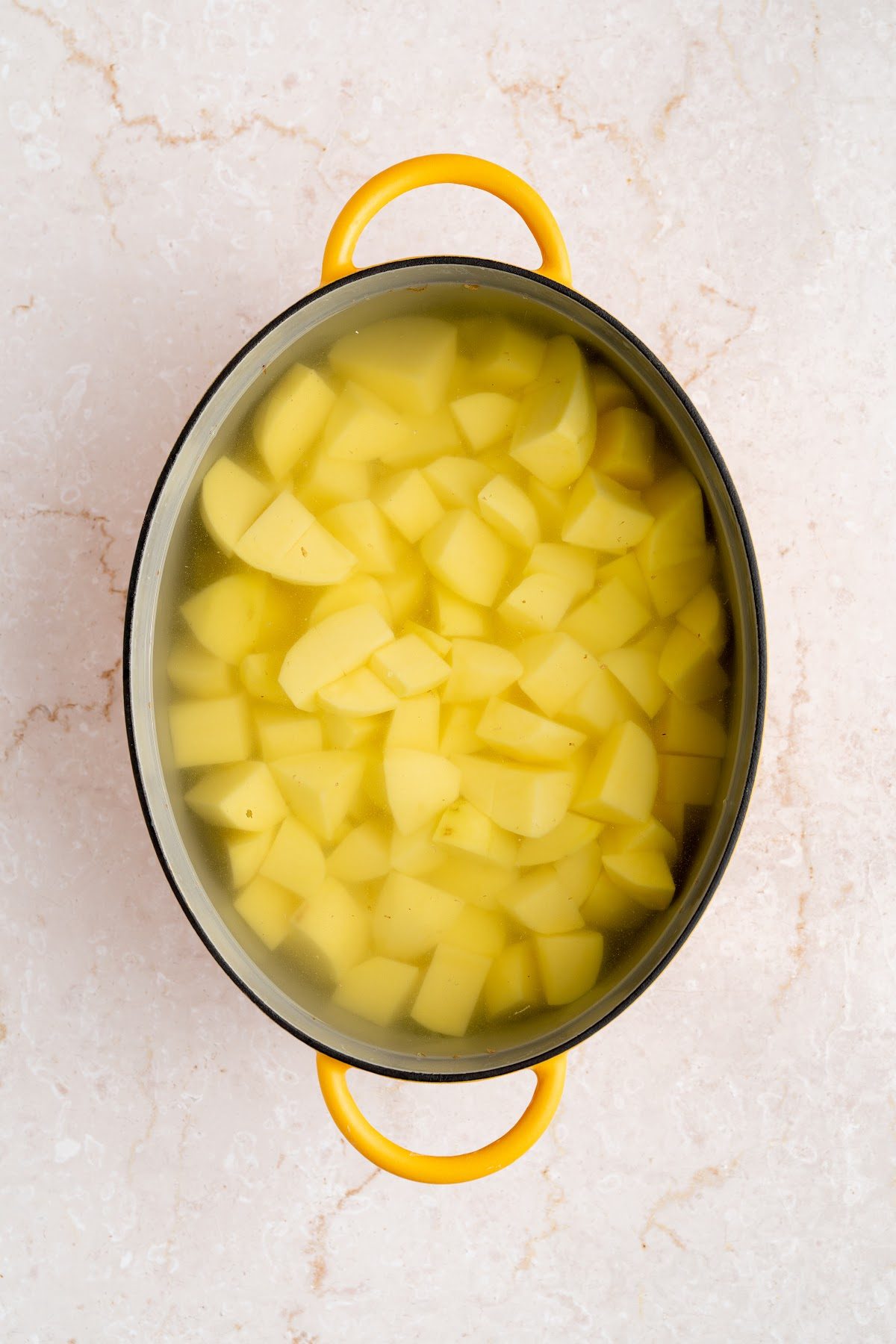
- Cook the potatoes: Cover them with cold water by an inch, salt the water generously, bring to a boil and then drop to a steady simmer. Cook 15 to 20 minutes, until a fork slides through easily.
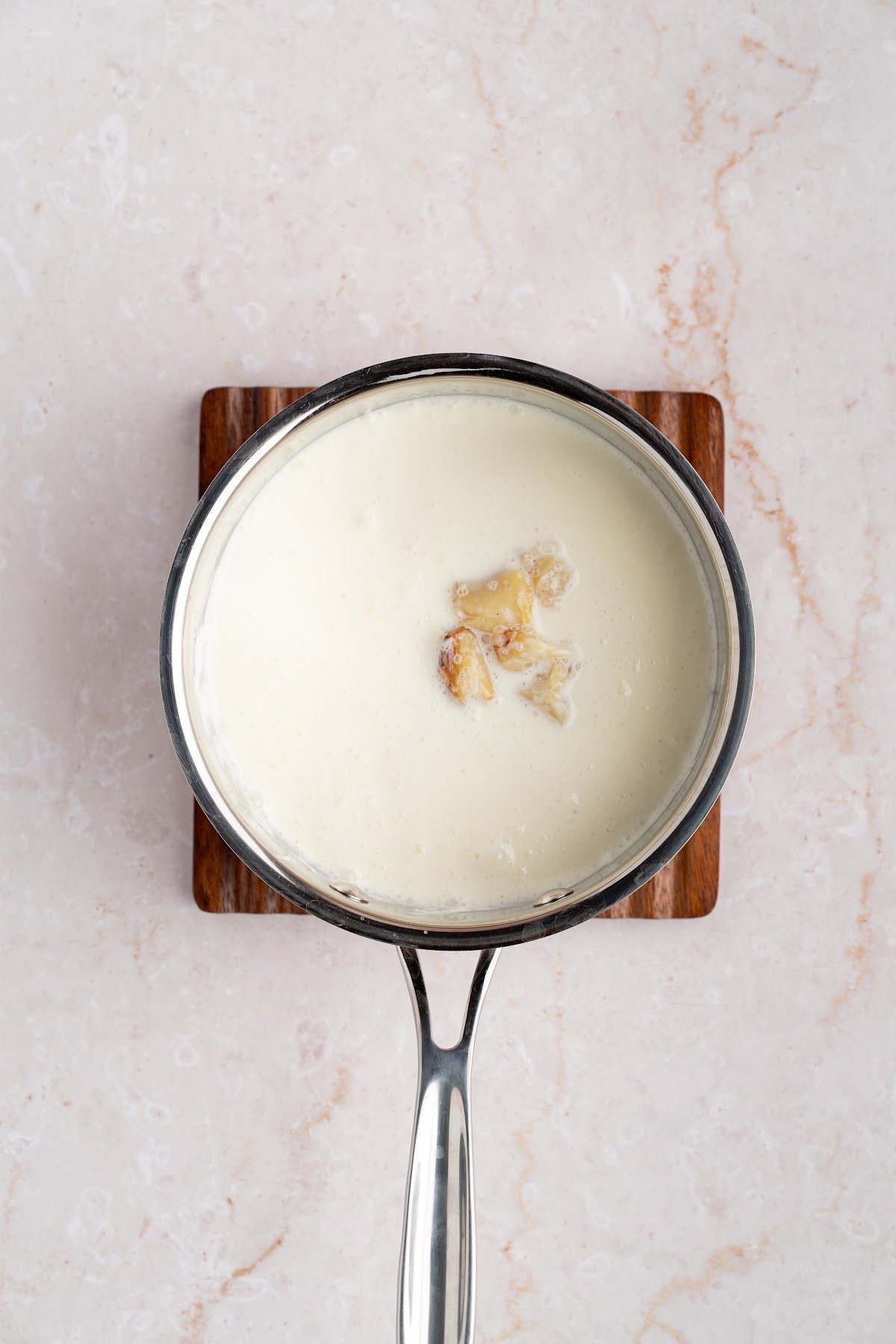
- Warm the dairy: Meanwhile, warm the cream, milk and roasted garlic cloves together over low heat for about 5 minutes without boiling, then mash the garlic into the cream with a fork.
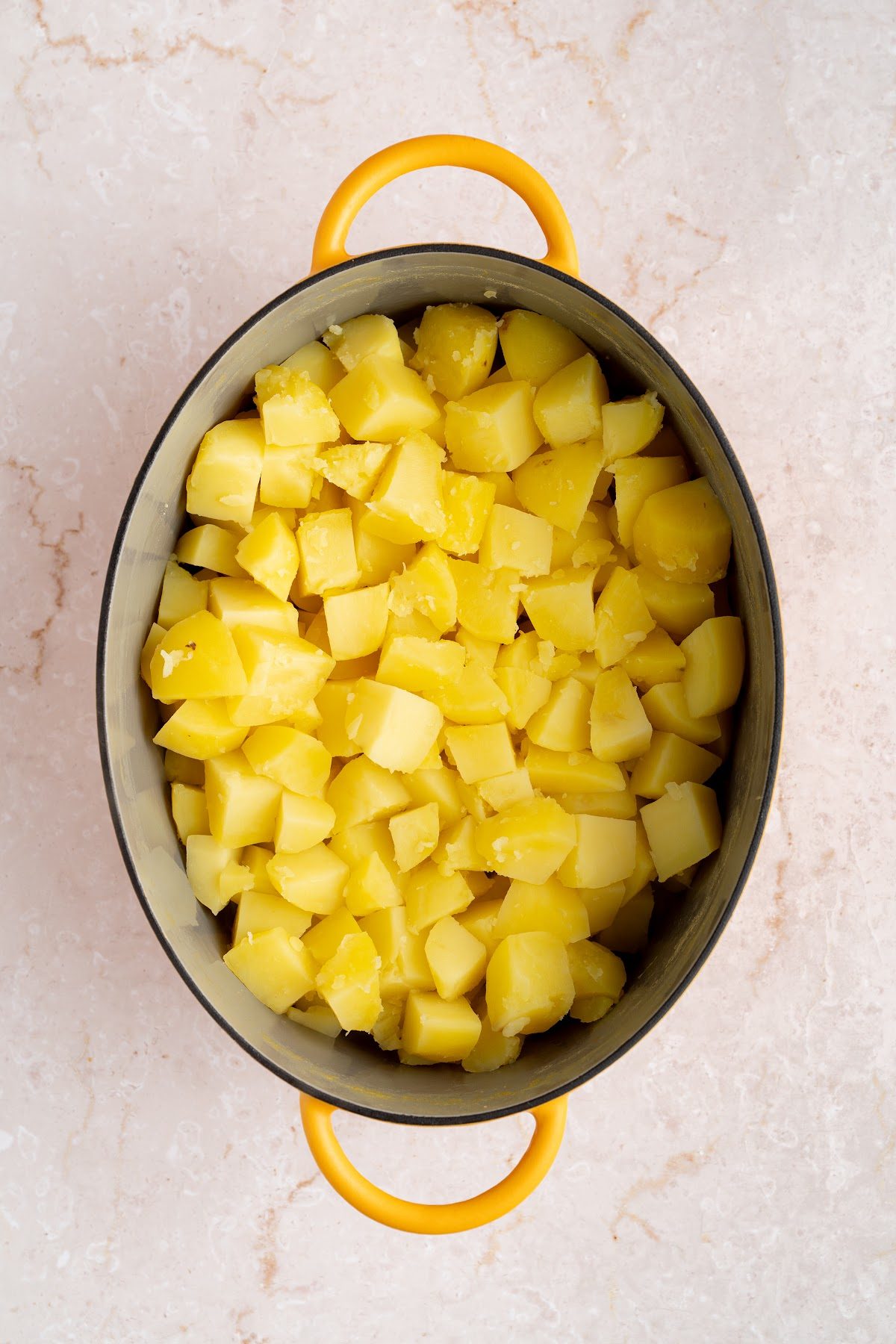
- Drain and dry: Drain the potatoes well, then return them to the hot pot over low heat for a minute or two, shaking gently, until the excess moisture steams off.
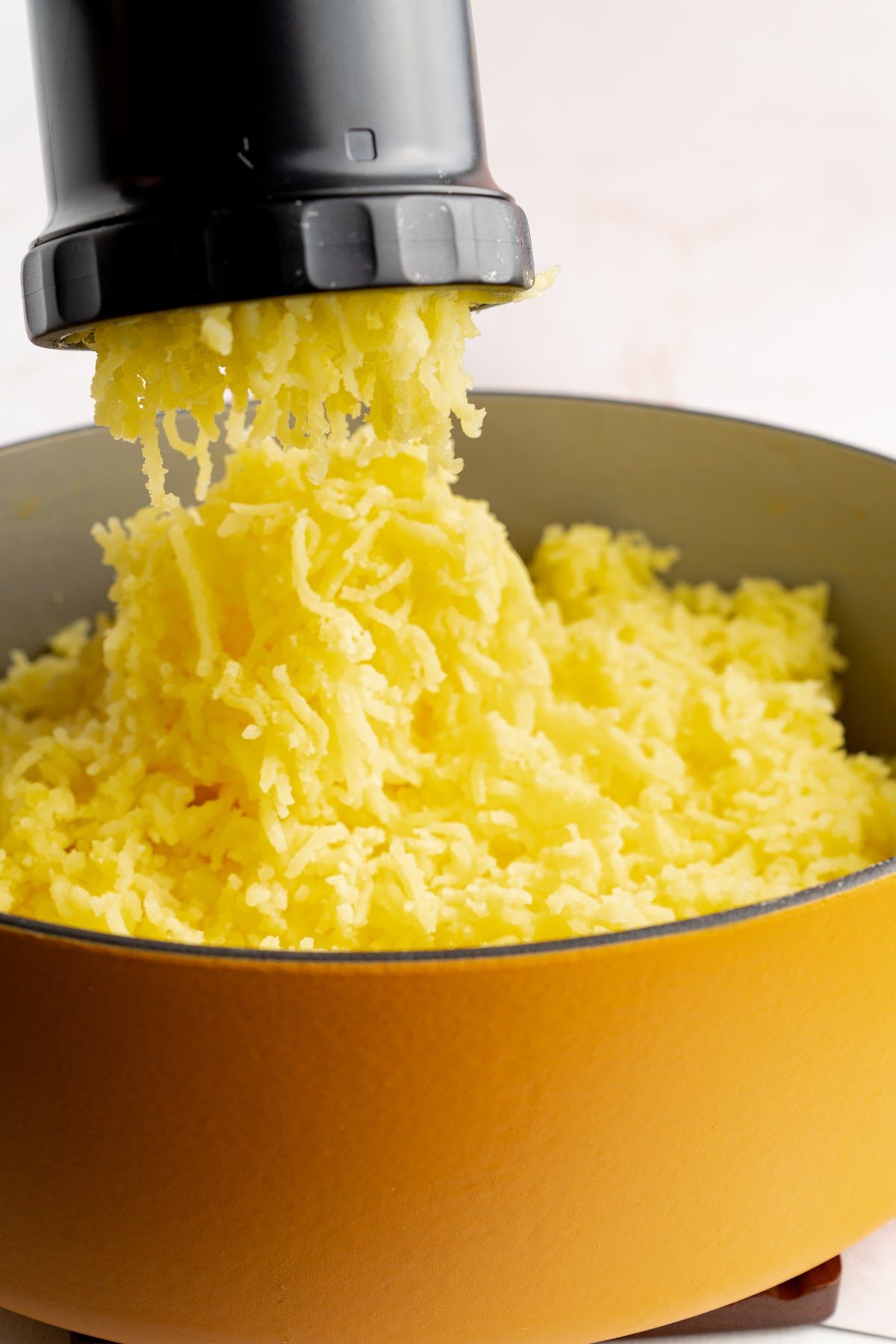
- Rice them: Press the hot potatoes through a potato ricer. However you do it, do not reach for a blender or a food processor.
Enrich and finish
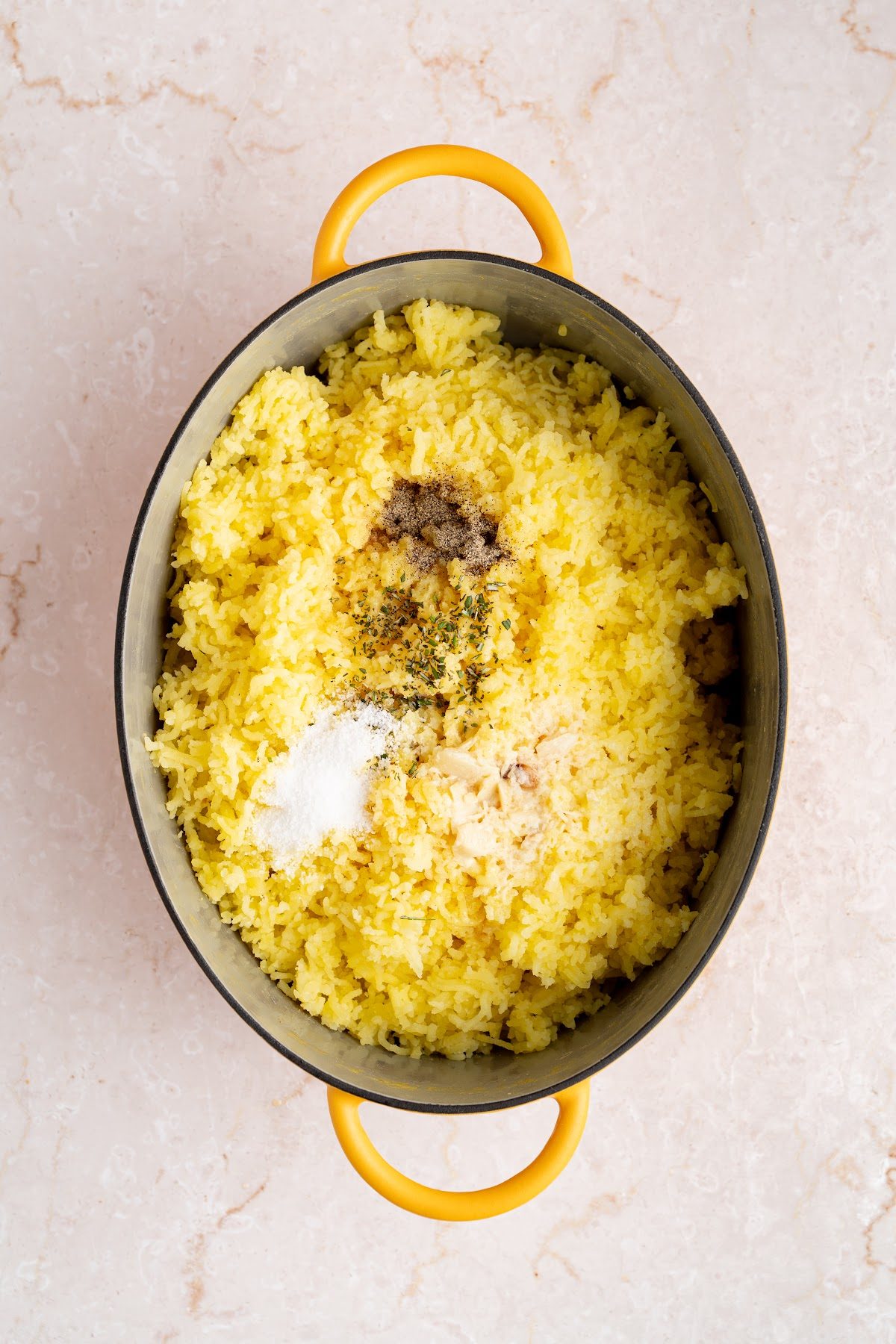
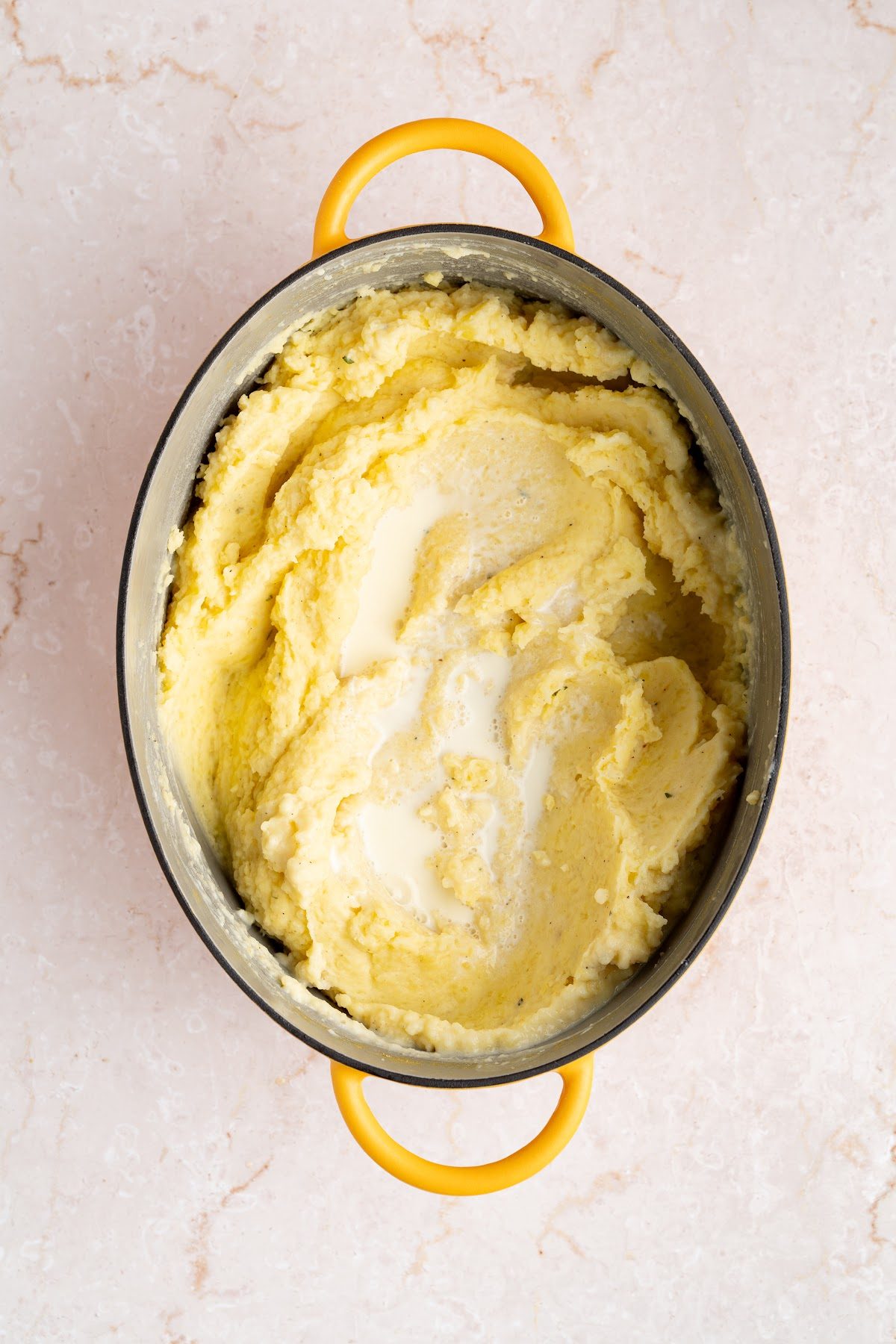
- Enrich and season: Fold in the brown butter and the chopped rosemary, then the warm garlic cream, starting with about a cup and adding more until it looks right. Season with salt and pepper, and taste as you go.
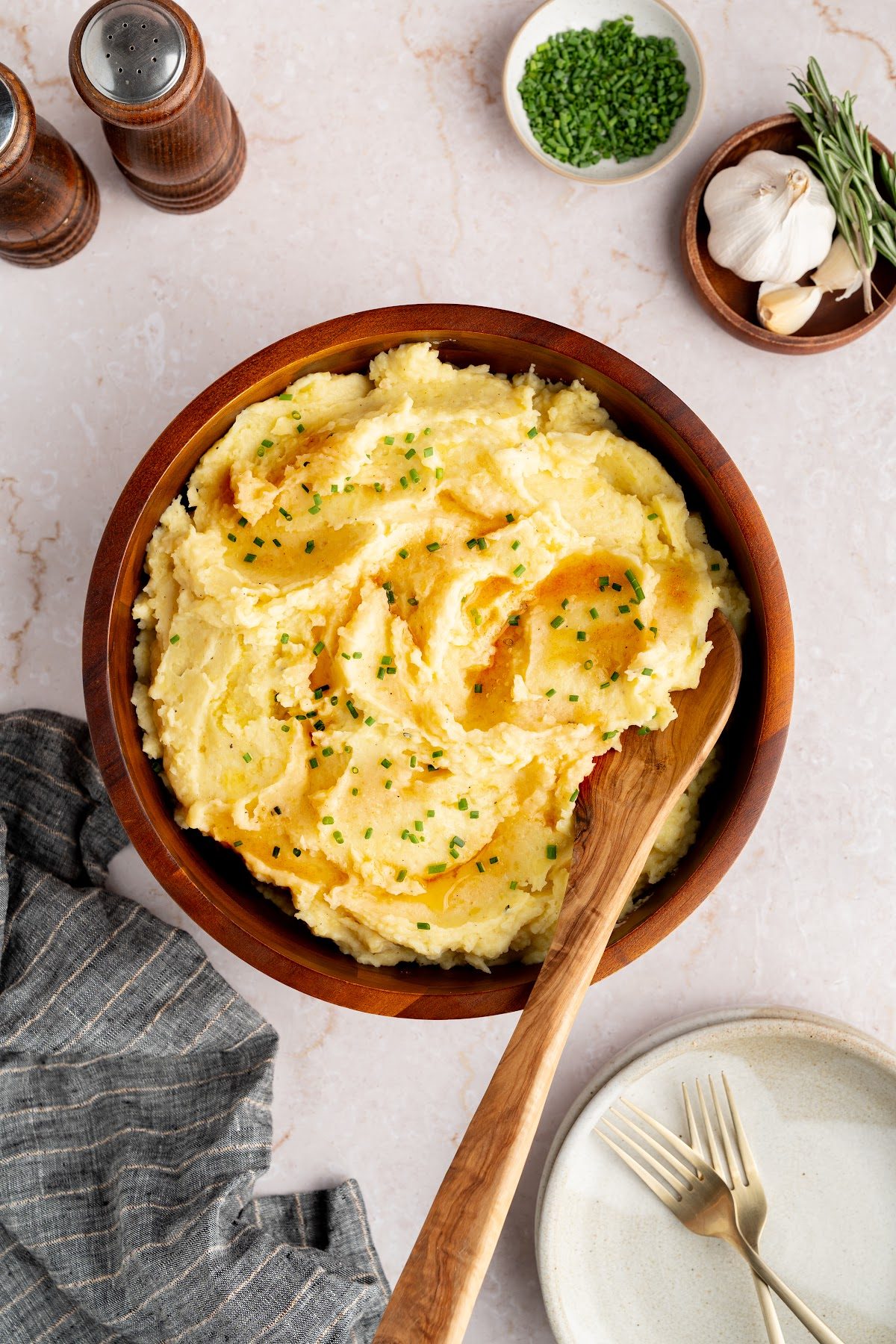
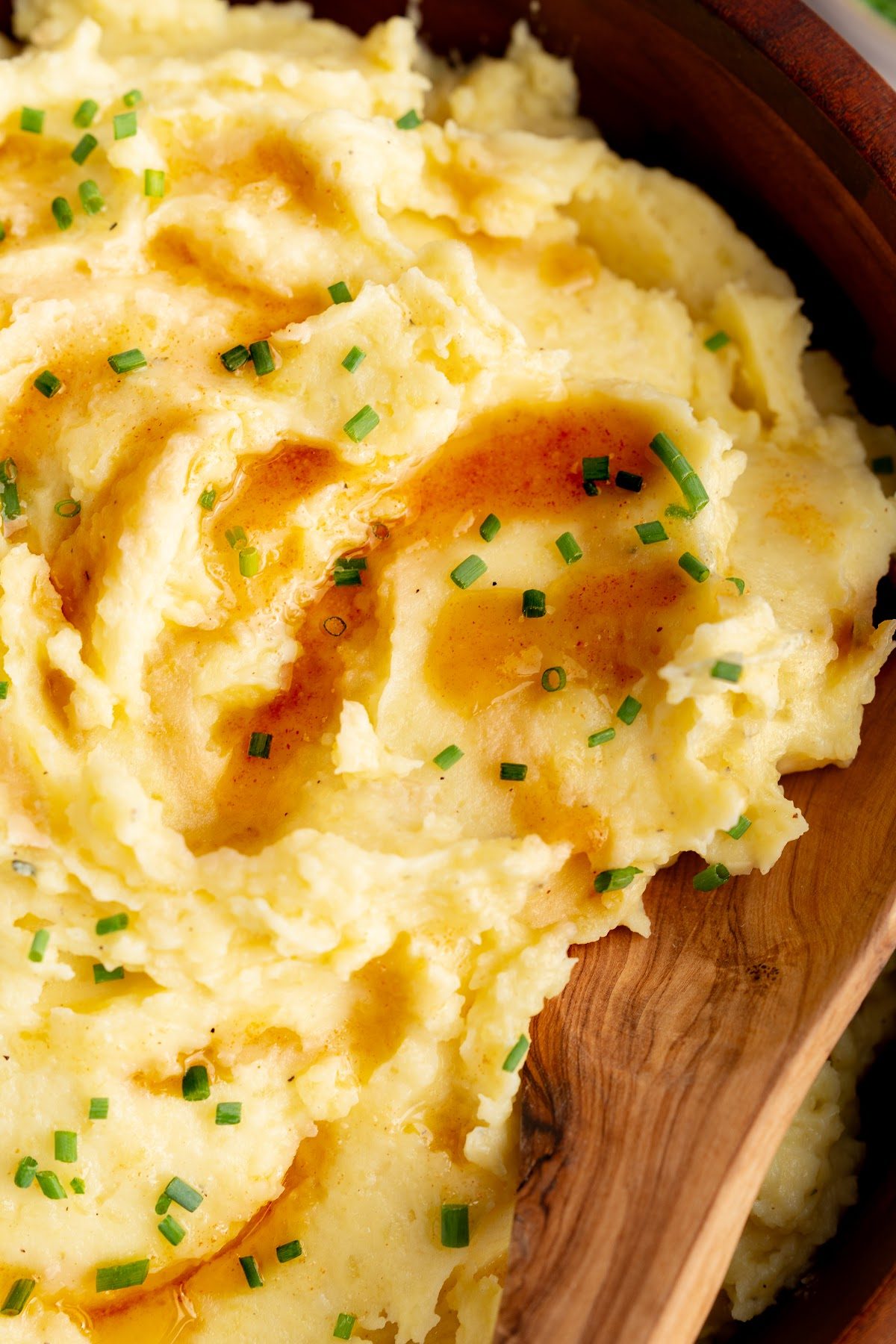
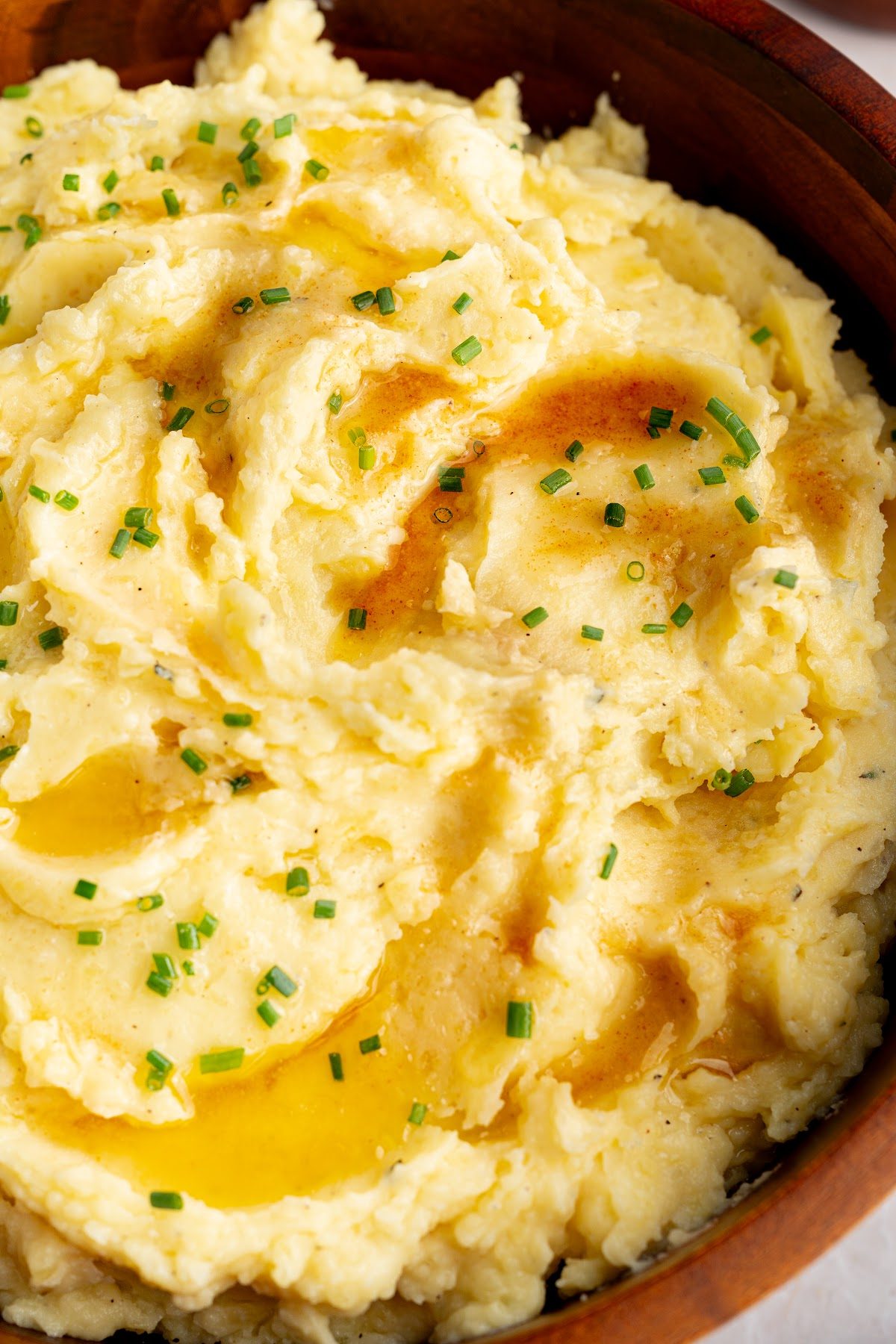
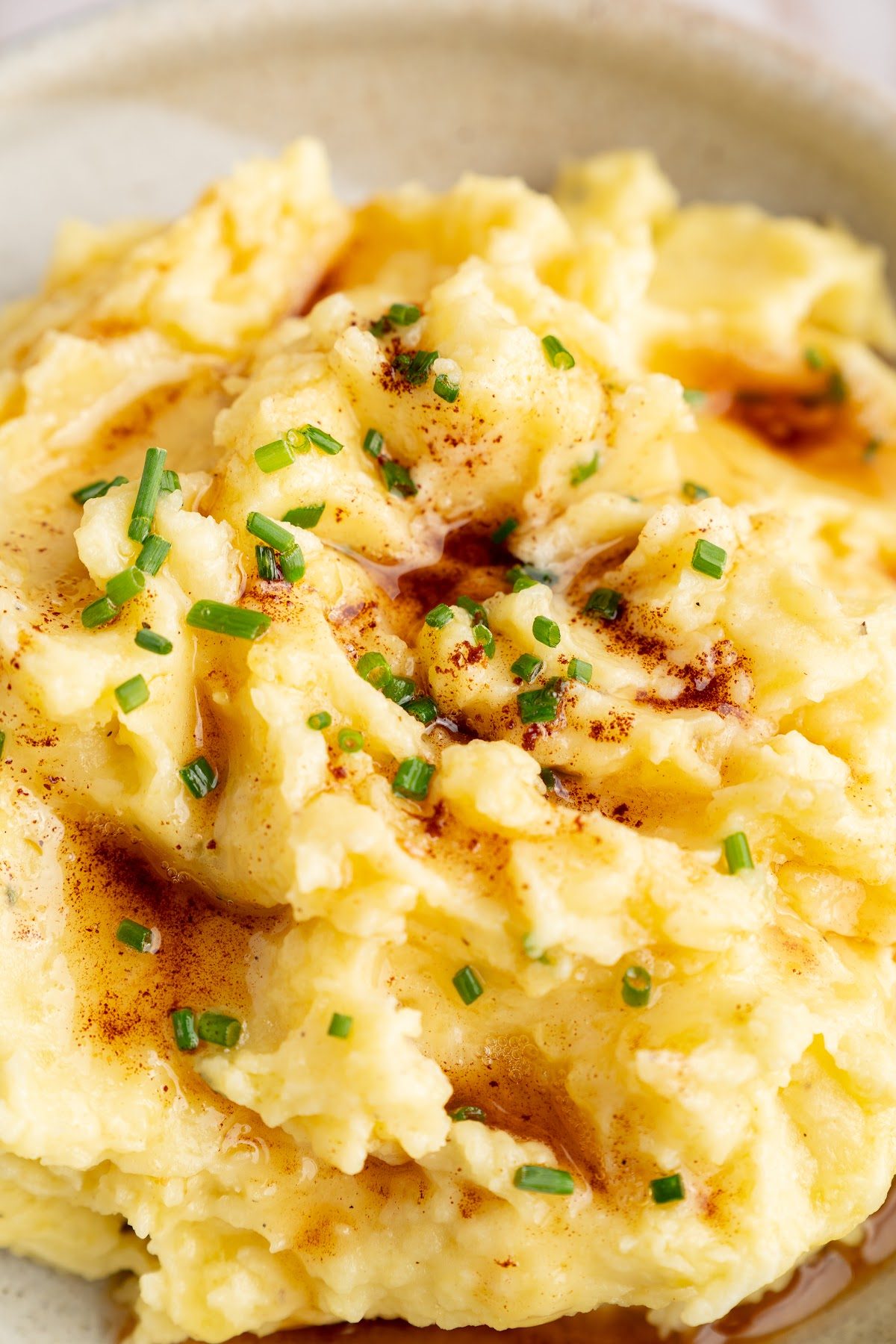
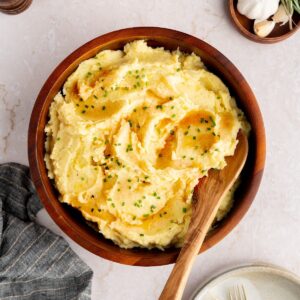
- Serve: Transfer to a warm bowl, drizzle the reserved brown butter over the top and scatter with chives.
My Best Brown Butter Mashed Potatoes Tips
- Cut the potatoes the same size. Uneven pieces mean some are falling apart while others are still firm, and then the whole pot has to overcook to catch up.
- Start them in cold water. Dropping potatoes into boiling water cooks the outsides before the centers, so they go in cold and come up to temperature together.
- Dry them in the pot. A minute or two over low heat drives off the water they soaked up, which means they can take the cream instead of the cream sitting on top.
- Warm the dairy, always. Cold cream tightens hot potatoes and drops the temperature of the finished bowl.
- Rice them while they are hot. They stiffen as they cool and get harder to push through.
- Stop mixing early. Every extra stir works more starch out, so fold just until it comes together.
What to Serve With Mashed Potatoes
- The holiday centerpiece. My roasted Cajun turkey is what these sit next to in November.
- Anything with a sauce. My red wine braised pot roast was practically built to go on top of this.
- Sunday dinner. Oven baked lamb chops with the balsamic glaze running down into the potatoes.
- Bread on the table. My honey butter cornbread, because there is no such thing as too many carbohydrates in November.
Brown Butter Mashed Potatoes: Storage and Make Ahead
To store, keep leftovers in an airtight container in the refrigerator for up to 4 days.
To reheat, warm them gently in a covered pot over low heat with a splash of cream or milk, stirring now and then. Alternatively, cover and warm them in a 325°F oven for about 25 minutes.
Freezing works better than people expect with this recipe, because all that butter and cream protects the texture. Freeze up to 3 months, thaw overnight in the refrigerator and reheat with a little extra cream.
Make ahead is where this one earns its place on a holiday menu. You can roast the garlic and brown the butter up to 3 days early and keep both in the refrigerator. The finished mash also holds beautifully for about 2 hours in a slow cooker on warm, with a little extra cream stirred through before serving.
Mashed Potato FAQs
What are the best potatoes for mashed potatoes?
Yukon Golds. They are naturally buttery and they sit between waxy and starchy, which gives you a creamy mash that still holds its shape. Russets make a fluffier but drier mash and they soak up noticeably more cream, while red potatoes are too waxy and turn out dense.
Why are my mashed potatoes gluey?
Almost always a blender or a food processor. Those blades rupture the starch cells and the released starch turns the whole pot to paste within seconds. Overmixing by hand does the same thing more slowly, so use a ricer and stop folding as soon as everything comes together.
Can I make brown butter mashed potatoes ahead of time?
Yes, and for a holiday I would. Make them completely, then hold them in a slow cooker set to warm for up to 2 hours with a little extra cream stirred in. Otherwise refrigerate them and reheat gently on the stove.
Do I have to use a ricer?
No, although it is what gives you that light texture. A hand masher works fine and gives you a slightly more rustic mash. Just never use anything with a blade.
How much mashed potatoes do I need per person?
About half a pound of raw potatoes each for a holiday, where people go back for seconds. Five pounds comfortably covers ten to twelve servings.
Can I use milk instead of heavy cream?
You can, and the result will be lighter and less rich. Because the brown butter is doing most of the heavy lifting here, you will not lose the flavor, only some of the richness.
My brown butter burned. What happened?
It went too far past golden. Brown butter turns from nutty to acrid very quickly, so use a light-colored pan where you can see the color, keep swirling, and pull it off the heat the moment the solids are golden and it smells toasty. If it smells sharp or looks black, start over.
If you love this recipe, please leave a review! It means the world to me! Xo Toni
More Holiday Sides
Holiday Recipes
Candied Yams with Marshmallows

Side Dishes
Cornbread Dressing

Side Dishes
Fresh Green Bean Casserole

Holiday Recipes
Roasted Cajun Turkey Recipe
Brown Butter Mashed Potatoes
Equipment
- Potato ricer
- large pot
Ingredients
Potatoes
- 5 pounds Yukon Gold potatoes peeled and cut into even 1 1/2-inch pieces
- kosher salt for the cooking water, generously
Rosemary brown butter and roasted garlic
- 2 heads garlic
- 1 teaspoon olive oil
- 1 cup unsalted butter 2 sticks / 227 g
- 3 sprigs fresh rosemary plus 1 teaspoon very finely chopped
Dairy and finishing
- 1 1/4 cups heavy cream plus up to 1/2 cup more as needed
- 2/3 cup whole milk
- 2 1/2 teaspoons kosher salt for the finished mash, or to taste
- 1/2 teaspoon freshly ground black pepper or to taste
- 2 tablespoons chopped chives optional
Instructions
- Roast the garlic. Heat the oven to 400 degrees F. Slice the top 1/4 inch off each head of garlic, drizzle with the olive oil, wrap in foil and roast 40 to 45 minutes, until soft and golden. Cool slightly and squeeze out the cloves.
- Cook the potatoes. Place the potatoes in a large pot and cover with cold water by about an inch. Salt the water generously. Bring to a boil, then reduce to a steady simmer and cook 15 to 20 minutes, until a fork slides through easily.
- Make the rosemary brown butter. While the potatoes cook, melt the butter with the rosemary sprigs in a light-colored saucepan over medium heat, swirling as it foams. Cook 5 to 8 minutes, until the milk solids are golden brown and smell nutty. Pour into a heatproof bowl, scraping in the browned bits, discard the sprigs and reserve 2 tablespoons for finishing.
- Warm the dairy. Warm the cream, milk and roasted garlic cloves in a small saucepan over low heat for 5 minutes without boiling. Mash the garlic into the cream with a fork.
- Drain and dry. Drain the potatoes well. Return them to the hot pot over low heat for 1 to 2 minutes, shaking gently, until the excess moisture evaporates.
- Rice. Press the hot potatoes through a potato ricer for an extra-fluffy mash. Do not use a blender or food processor.
- Enrich and season. Fold in the brown butter, except the reserved 2 tablespoons, along with the chopped rosemary. Then add the warm garlic cream, starting with about 1 cup and adding more as needed. Season with salt and pepper.
- Serve. Transfer to a warm bowl, drizzle with the reserved brown butter and sprinkle with chives, if using.
Notes
Nutrition
Nutrition information is automatically calculated, so should only be used as an approximation.